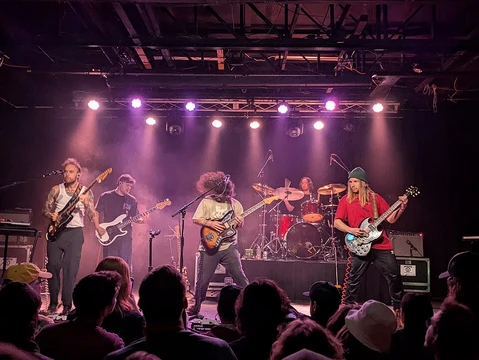
Tommy James and the Shondells
American rock band with two No. 1 hits in the 1960s.

Wikipedia / Wikimedia Commons
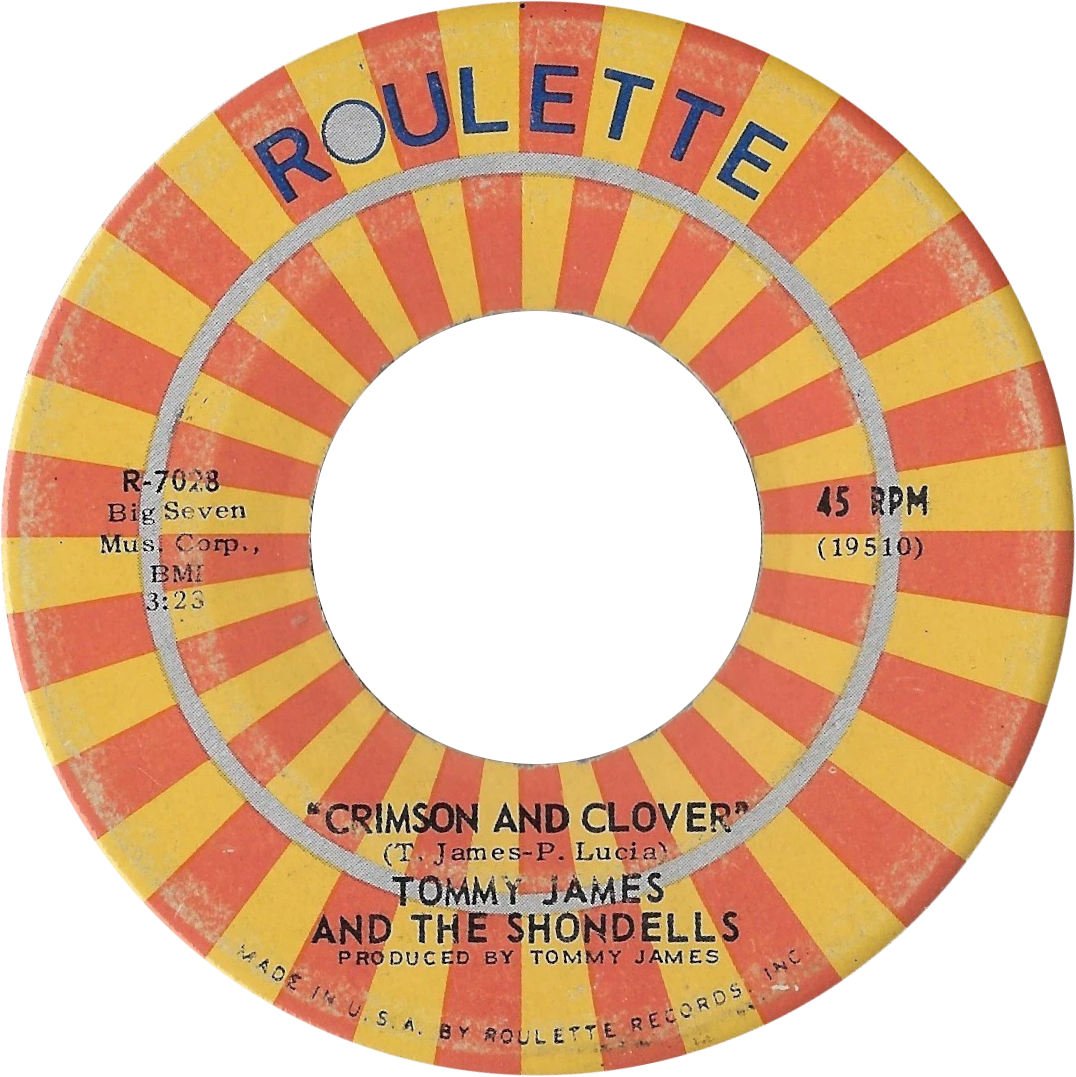
Tommy James and the Shondells is an American rock band formed in Niles, Michigan, in 1959. The band is best known for two No. 1 singles in the U.S., 'Hanky Panky' (1966) and 'Crimson and Clover' (1968), and for charting twelve other top 40 hits, including five in the Hot 100's Top 10.
- formed
- 1959
Lore & Background
The band originated from earlier groups The Echoes (1959) and Tom and the Tornadoes, with 12-year-old Tommy James (then Tommy Jackson) as lead singer. In 1964, James renamed the band the Shondells, inspired by Fort Wayne's Troy Shondell. The band recorded 'Hanky Panky' in February 1964, which sold well locally but failed nationally, leading to the Shondells disbanding in 1965. After a Pittsburgh dance promoter revived the single, James assembled a new Shondells from a quintet called the Raconteurs in Greensburg, Pennsylvania, and sold the master to Roulette Records, resulting in a No. 1 hit in July 1966.
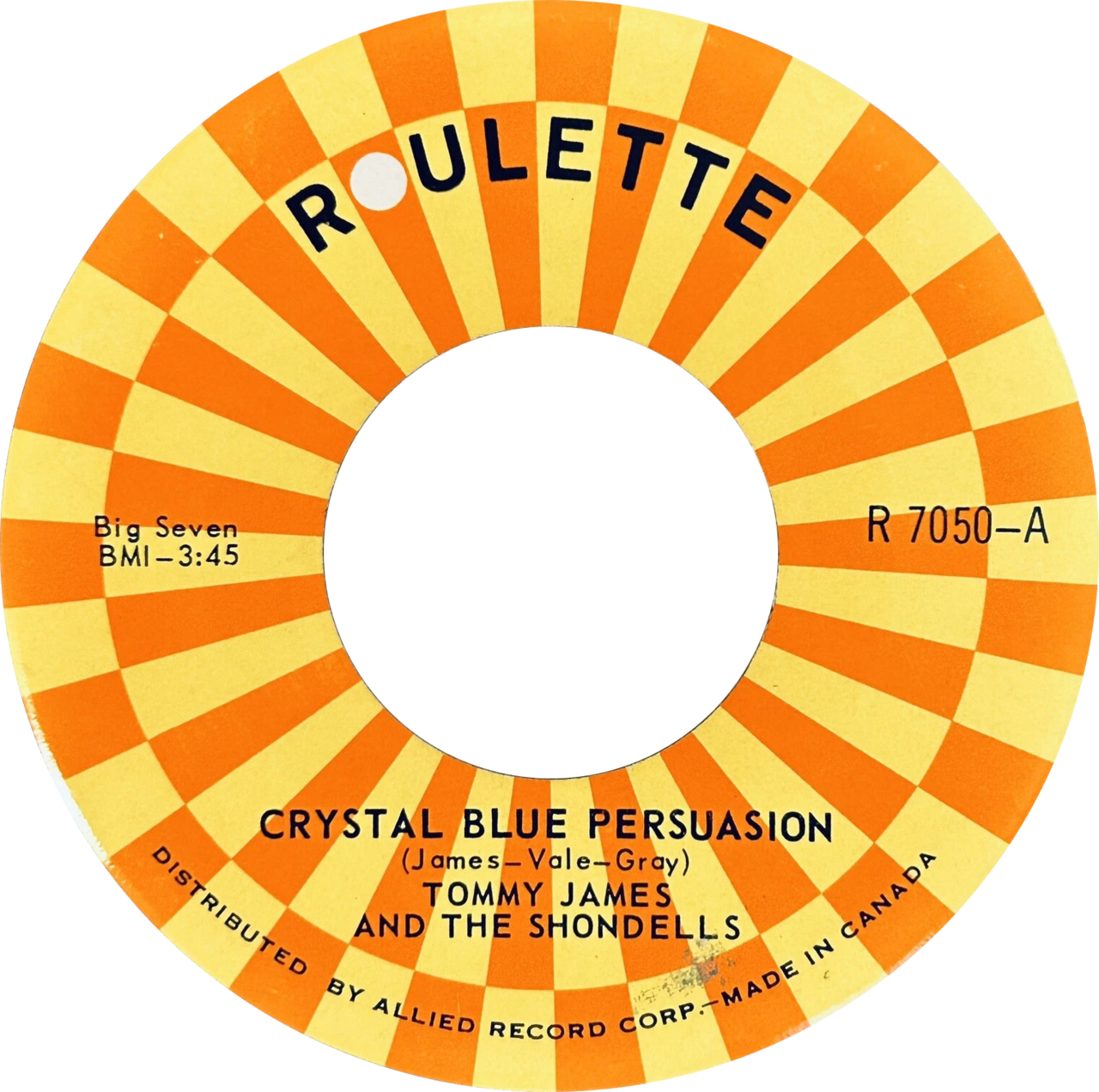
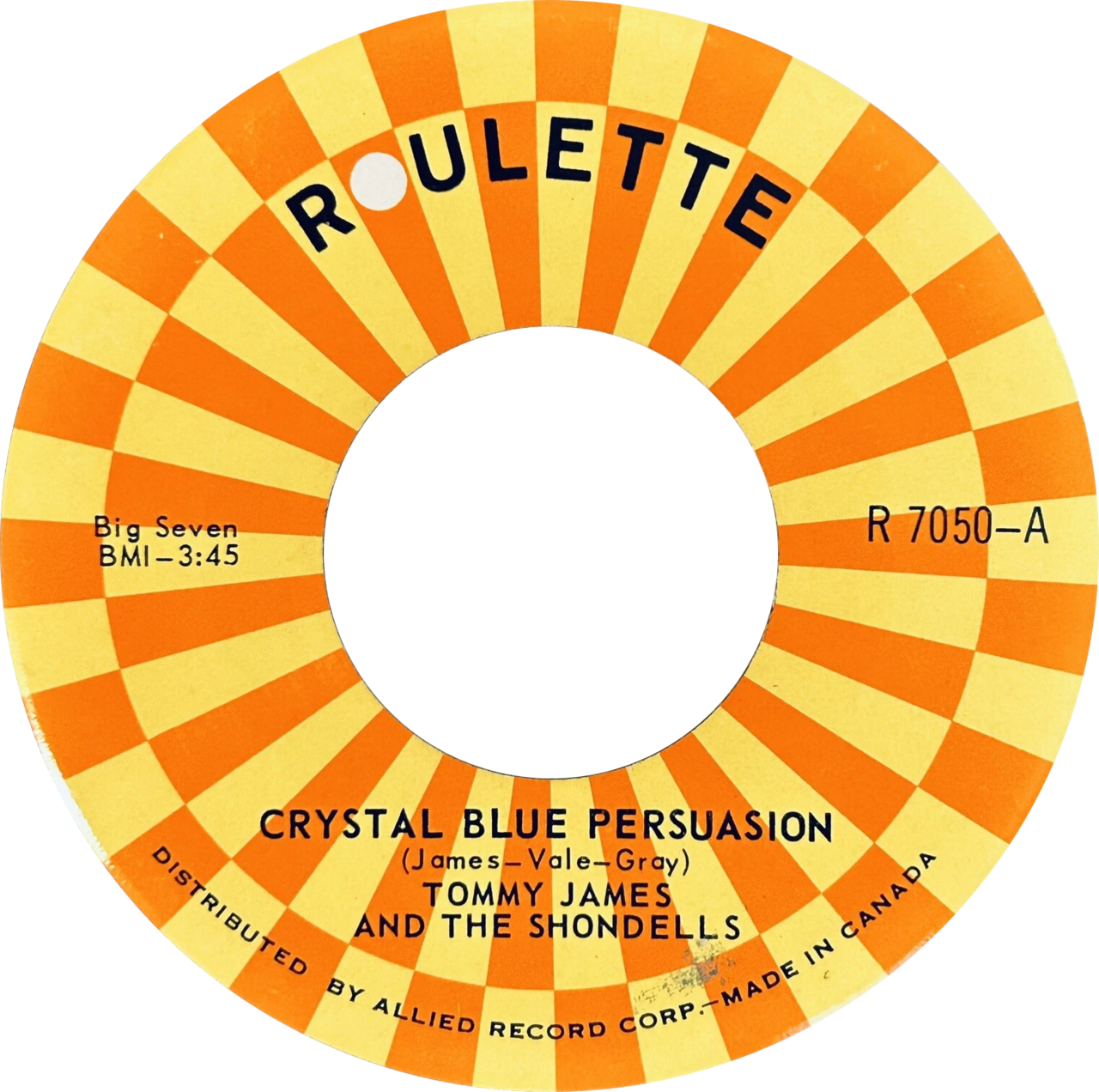
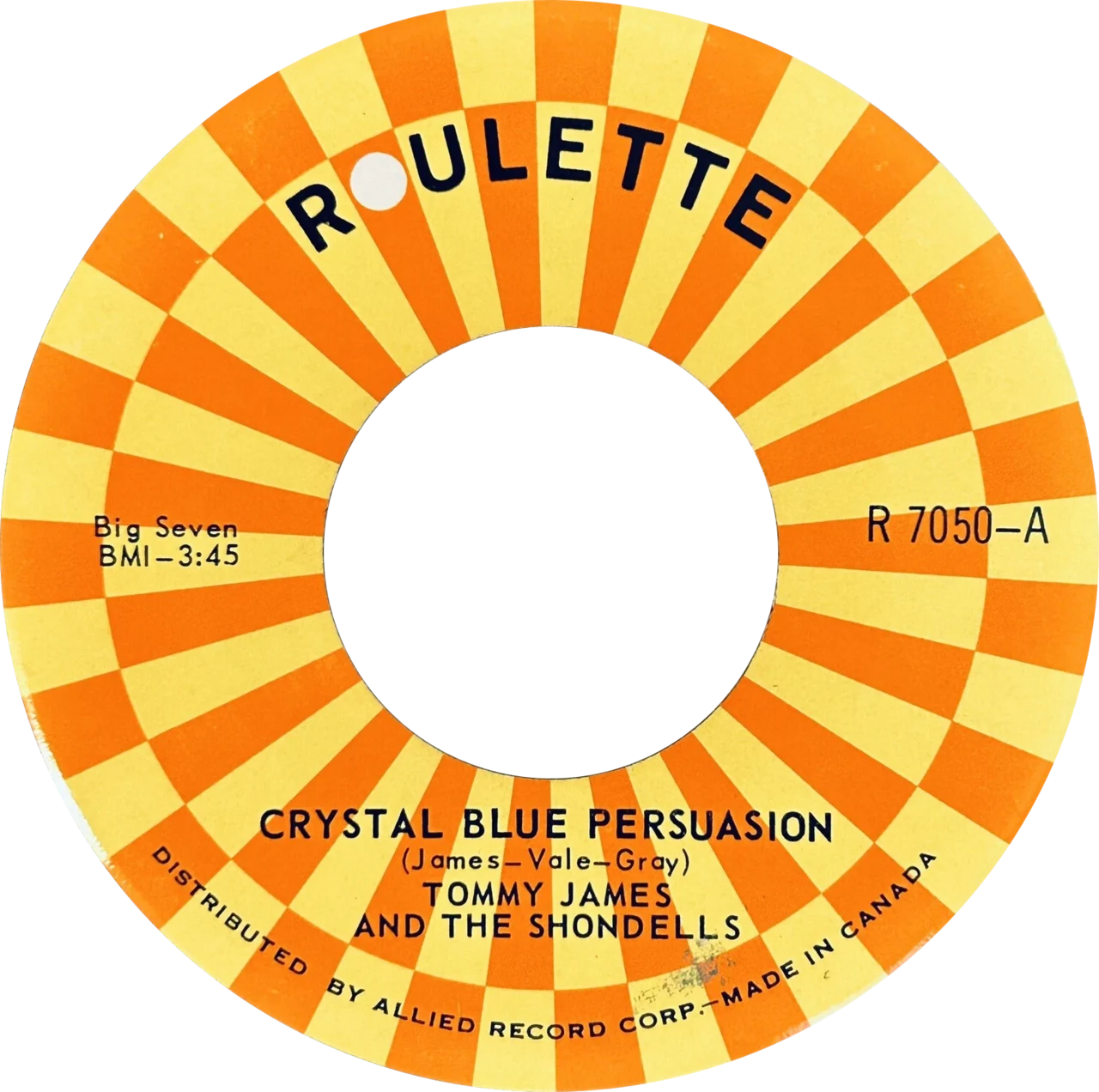
The band's early style was straightforward rock and roll, but they became associated with bubblegum music, a label James disputed. Hits included 'I Think We're Alone Now' (1967), 'Mirage' (1967), 'Mony Mony' (1968), and the psychedelic-tinged 'Crimson and Clover' (1968). The group campaigned for Vice President Hubert Humphrey during his 1968 presidential campaign. Further hits in 1969 included 'Sweet Cherry Wine', 'Crystal Blue Persuasion', and 'Ball of Fire'. The group continued until 1970, when James collapsed from a drug reaction and left the band; the remaining members briefly performed as Hog Heaven.
Reader's Guide
Tommy James and the Shondells were a significant American rock band of the 1960s, achieving two No. 1 singles and multiple top 10 hits. Their music evolved from straightforward rock to incorporate psychedelic elements, as heard on 'Crimson and Clover'. The band's legacy includes enduring songs that were later covered by major artists such as Joan Jett & The Blackhearts, Tiffany, and Billy Idol, each scoring hits in the 1980s. Despite James's rejection of the 'bubblegum' label, the band's early work is often associated with that genre. The band's history also involves organized crime connections through Roulette Records head Morris Levy. James continued as a solo artist, and the band reunited occasionally in later decades. Their influence persists through covers and continued touring in oldies packages.
Did You Know?
- The band's RIAA Certified Platinum records include 'Crimson and Clover'.
- The name 'Shondells' was chosen because it 'sounded good' and in honor of Troy Shondell.
- The band declined an invitation to perform at Woodstock.
- Original drummer Peter P. Lucia Jr. died of a heart attack while playing tennis at age 39.
From Dayton to Niles: The Making of a Teenage Band
Born Thomas Gregory Jackson in Dayton, Ohio, on April 29, 1947, the future rock frontman grew up in a family that eventually relocated to Niles, Michigan. His early exposure to the public eye came surprisingly young: at just four years old, he worked as a child model. Music, however, would define his path. In 1959, the twelve-year-old Jackson assembled a group called the Echoes, a project that would evolve into Tom and the Tornadoes before settling on the name the Shondells in 1964. That same year proved pivotal in another way. Jack Douglas, a disc jockey at the local WNIL radio station, launched his own imprint, Snap Records, and began cutting tracks with regional acts at the WNIL Studios. Among the first bands he recorded were the Shondells, who put their spin on "Hanky Panky," a number originally written by Jeff Barry and Ellie Greenwich and recorded under the name the Raindrops. The track caught on locally, but Snap lacked the machinery for a national push, and the song quietly faded from public memory.
The Pittsburgh Bootleg Storm
What began as a forgotten local pressing became one of the most chaotic breakout stories in rock history. In 1965, Pittsburgh dance promoter Bob Mack stumbled upon a copy of "Hanky Panky" in a used-record bin and started spinning it at his clubs. The response was electric. A local bootlegger pressed unauthorized copies, nudging the tempo slightly faster, and an estimated 80,000 of those illicit discs sold in just ten days. By early 1966, the song topped Pittsburgh radio charts. Word reached Jack Douglas because his name and contact details were printed on the Snap Records label. A flood of calls from Pennsylvania prompted James to fly to Pittsburgh, where he met Mack and talent booker Chuck Rubin. All three major trade publications—Billboard, Cashbox, and Record World—soon flagged the single as a regional phenomenon. Rubin, leveraging his industry connections, convinced the trio to head to New York to shop for a deal. Major labels initially showed interest, but the next morning brought polite refusals across the board. The reason, as Atlantic's Jerry Wexler candidly explained, was that Roulette Records head Morris Levy had called every competitor and declared the record his own, scaring off even the big corporate houses. With no other option, James signed with Roulette.
Reassembling the Shondells and the Birth of 'Mony Mony'
By the time the national spotlight arrived, the original Shondells had already dissolved, leaving James as the sole remaining member. Mack offered his dance-club musicians as potential replacements, but nothing clicked until a guitarist brought James to the Thunderbird Lounge in Greensburg, Pennsylvania. There, James sang with the house band, the Raconteurs, and they became the new Shondells. Jackson also adopted the professional name Tommy James. The reassembled group—James, Eddie Gray on guitar, Mike Vale on bass, Ron Rosman on keyboards, and Pete Lucia on drums—propelled "Hanky Panky" to the top of the WLS chart by late June 1966 and to the national number-one spot by late July. Their follow-up, "Say I Am," came from the same used-record bin where Mack had first found "Hanky Panky." Songwriter Richie Cordell then became a creative engine for the band, penning or co-writing hits like "I Think We're Alone Now" and "Mirage." The creation of "Mony Mony" was a true group collaboration involving Cordell, James, Lucia, producer Bo Gentry, and Bobby Bloom. They had crafted a party-rock track but could not settle on a title. During a break on James's apartment terrace, they looked up at the Mutual of New York Insurance Company's neon sign displaying the abbreviation M-O-N-Y, and the name stuck.
Adapting to the Album Era
The music landscape shifted dramatically in the wake of "Mony Mony." The Top 40 radio format, built around 45 rpm singles, had long driven the industry, with stations rarely touching album tracks. But by the late 1960s, popular music was pivoting toward album-driven consumption, a change that threatened artists whose success rested on individual singles. James recognized that the Shondells had to reinvent themselves as an album-oriented act to remain viable. In August 1968, the group spent three months on the campaign trail supporting Vice President Hubert Humphrey's presidential bid. Around the same period, Beatle George Harrison, working with his side project Grapefruit, reached out to James with songs he wanted the Shondells to record. The material fit the "Mony Mony" party-rock mold, but James and the band were deliberately moving in a new musical direction—one that would eventually produce "Crimson and Clover." He politely declined Harrison's offer. The group also made a music video for "Mony Mony" during its peak, a forward-thinking move at the time. Yet no domestic market existed for such content; American television stations refused to air it. The film instead screened between double features in European movie theaters and would not be seen in the United States until MTV launched years later.
Gallery
More in Psychedelic musical groups 1-18
Spotted an error? Know more?
This is a living reference — every entry is fact-audited, and reader corrections feed straight into our audit queue. Suggest an edit · See this site's audit record