Cardiacs
Whimsical, frantic, and utterly unique: the cult architects of psychedelic punk-prog.

Wikipedia / Wikimedia Commons
Cardiacs are an English rock band formed in Kingston upon Thames in 1977, known for their idiosyncratic, high-energy blend of psychedelia, punk, and progressive rock. Their music is characterized by complex time signatures, abrupt tempo shifts, and surreal, often whimsical lyrics, earning them a cult following and influence on genres from alternative rock to math rock.
- formed
- 1977
- origin
- Kingston upon Thames, England
- genres
- Psychedelic rock, progressive rock, punk, art rock
- key_members
- Tim Smith (vocals, guitar), Jim Smith (bass), William D. Drake (keyboards, vocals)
- notable_albums
- A Little Man and a House and the Whole World Window (1988), On Land and in the Sea (1989)
- associated_acts
- The Sea Nymphs, Panixphere, The Trudy
- status
- Active (on indefinite hiatus since Tim Smith's 2008 stroke)
Lore & Background
Cardiacs emerged from the late-1970s UK punk scene but quickly diverged into a sound all their own. Their early EPs and the 1981 debut album *The Obvious Identity* showcased a chaotic, theatrical style that defied easy categorization. By the mid-1980s, with the addition of keyboardist William D. Drake, the band refined their signature approach: dense, interlocking instrumental lines, sudden dynamic shifts, and Tim Smith's distinctive, yelping vocals. Their live performances were legendary for their manic energy and elaborate costumes, often featuring a rotating cast of musicians dubbed the 'Cardiacs Family.'
Reader's Guide
Cardiacs are significant as one of Britain's leading cult rock bands, known for a sound that folds art rock, jazz, psychedelia, and metal with circus, baroque pop, and medieval music. Their complex and innovative compositional style, topped by Tim Smith's anarchic vocals and hard-to-decipher lyrics, set them apart. Despite often being unpopular with the press due to their sound and image, they amassed a devoted following and inspired many rock groups, including Blur. Their theatrical performance style, incorporating off-putting costumes and on-stage confrontations, contributed to their cult status. After Tim Smith's hospitalization in 2008, the band gained increased critical recognition, with several music outlets calling Sing to God a masterpiece. Their legacy continued through tribute shows and a new lineup performing live dates in 2026.
Did You Know?
- Cardiacs' 1988 album *A Little Man and a House and the Whole World Window* was produced by Tim Smith and engineered by the band, and its cover art was painted by Tim's brother and bassist Jim Smith.
- The band's name was reportedly chosen from a list of random words, with 'Cardiacs' selected for its medical and energetic connotations.
- Tim Smith's 2008 stroke led to a prolonged hiatus, but the band's influence has grown posthumously, with covers and tributes by artists like Blur, Napalm Death, and Oceansize.
- The track 'Fiery Gun Hand' from *On Land and in the Sea* features a rare example of a 7/8 time signature in a pop-structured song.
Origins & the DIY Cassette Years
Cardiacs trace their roots to Kingston upon Thames, Surrey, where guitarist Tim Smith and bassist Jim Smith launched the project in late 1977. Tim had already been playing guitar since 1975, performing his first gig at sixteen alongside Adrian Borland of the Outsiders. The group initially called themselves the Filth before quickly renaming to Cardiac Arrest, a name that stuck through their earliest recordings. The official band history offers a wry explanation: Tim allegedly formed the group simply to exact revenge on his brother for childhood misbehaviour, since Jim supposedly couldn't play an instrument. Through the early 1980s, the brothers self-released demo cassettes—The Obvious Identity (1980), Toy World (1981), and The Seaside (1984)—produced with scrappy DIY values and sold in small runs at live shows. The Obvious Identity was pressed to roughly a thousand copies. After a string of name changes, the band settled on simply Cardiacs in 1981, holding their first concert under that moniker that April.
Sound, Stagecraft & the Cult Following
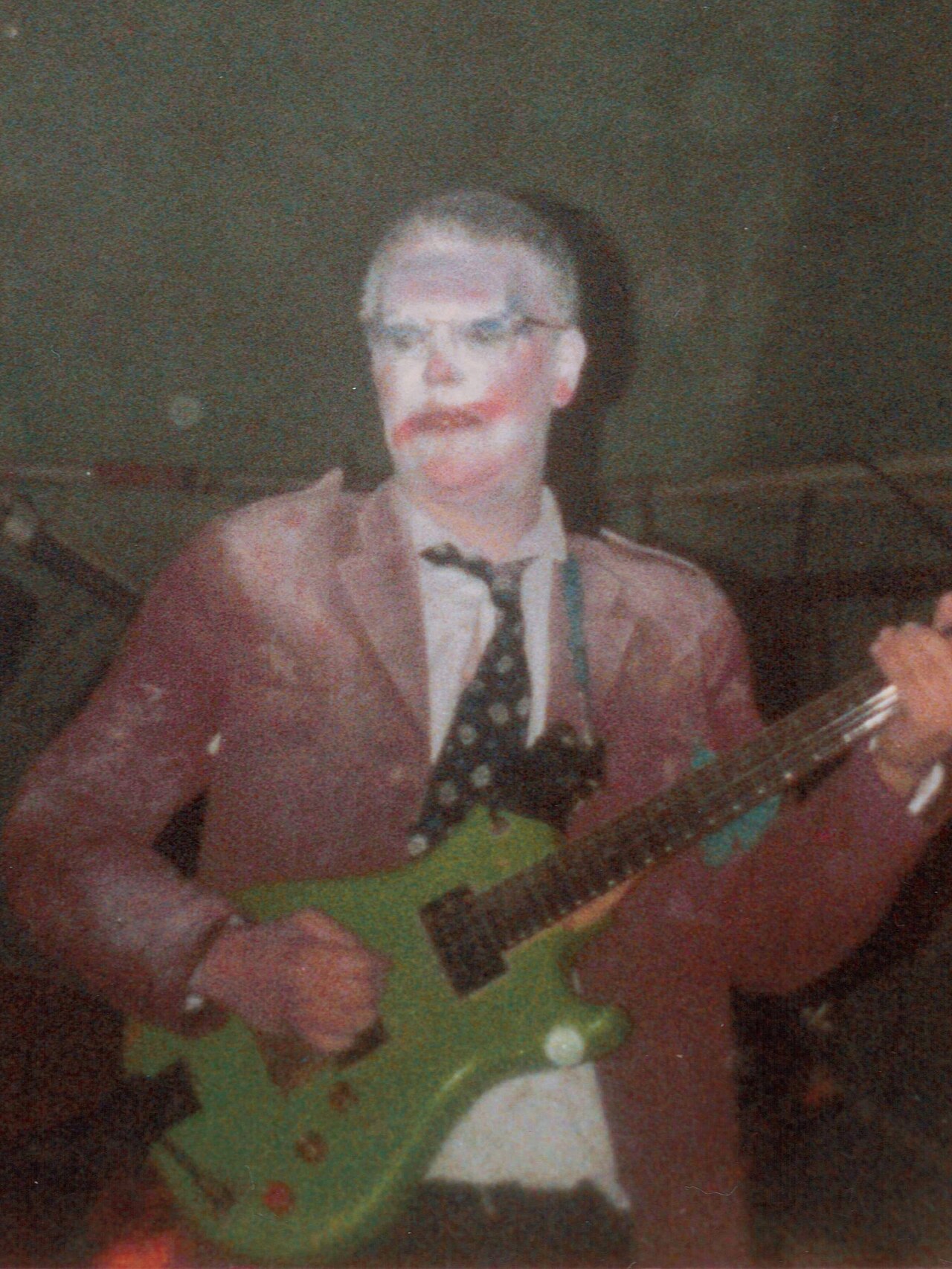
Cardiacs built a reputation as one of Britain's foremost cult rock acts by refusing to fit into a single genre. Their recordings weave together art rock, jazz, psychedelia, and metal, while listeners and critics have also detected circus, baroque pop, and medieval influences layered over progressive rock and post-punk foundations. Tim Smith's vocals—described as anarchic—sat atop lyrics that were notoriously hard to decipher, and his compositional style was widely noted for its complexity and innovation. On stage, the band embraced a theatrical approach that often unsettled audiences: members wore off-putting costumes, smeared clown-like makeup, and engaged in confrontations in front of the crowd. This deliberately abrasive image earned them friction with the music press, yet it also forged a fiercely loyal fanbase. Their influence rippled outward, inspiring numerous rock groups, including Blur, and cementing their status as a band that was as much a live spectacle as a recording project.
The Classic Sextet & Alphabet Business Concern
After a period of rapid personnel turnover, Cardiacs locked in a six-piece configuration between 1984 and 1989: Tim Smith on guitar and vocals, his brother Jim on bass, Sarah Smith (née Cutts, Tim's wife) on saxophone, percussionist Tim Quy, drummer Dominic Luckman, and keyboardist William D. Drake. This era saw the band create their own independent label, the Alphabet Business Concern, through which they controlled their releases. They also cultivated an absurdist mythology that extended beyond the music, reinforcing the theatrical world of uniforms and on-stage confrontations. Their debut album, A Little Man and a House and the Whole World Window (1988), broke through to mainstream attention with the single "Is This the Life," followed by On Land and in the Sea in 1989. By 1992, with guitarist Christian Hayes added and three members departed, the group had slimmed to a four-piece and adopted a harder, metal-tinged sound on Heaven Born and Ever Bright. Meanwhile, Tim, Sarah, and Drake recorded a spin-off album as the Sea Nymphs.
Tragedy, Legacy & the Aftermath
The band's later trajectory was shaped by both musical evolution and personal tragedy. Guitarist Jon Poole and drummer Bob Leith, both from the progressive pop group Ad Nauseam, joined in 1991 and 1993 respectively, and the quartet released Sing to God (1996) and Guns (1999). In 2003, Kavus Torabi replaced Poole, and the group toured with an expanded lineup of additional singers and percussionists through 2007. Then, in 2008, Tim Smith was abruptly hospitalised after a cardiac arrest and stroke that left him with dystonia, forcing the band into an indefinite hiatus. Ironically, that silence amplified their critical standing, with several outlets hailing Sing to God as a masterpiece. Tim Smith died in 2020, prompting a wave of tributes across social media. In 2021, their catalogue arrived on streaming platforms, and work on a sixth album, LSD, continued until its 2025 release. Tribute concerts titled Sing to Tim took place in 2024, and a new Cardiacs lineup with Mike Vennart on lead vocals played live dates in 2026.
Gallery
More in Psychedelic musical groups 1-18
Spotted an error? Know more?
This is a living reference — every entry is fact-audited, and reader corrections feed straight into our audit queue. Suggest an edit · See this site's audit record